Mouse immune-cell experiments
NAD+ during inflammation
A cellular shortage can be harmful. An activated cell can depend on replenishment. Their coexistence is the puzzle.
Activated macrophages
Macrophages are immune cells. In mouse macrophages stimulated with lipopolysaccharide, a laboratory trigger of inflammation, reactive oxygen species damaged DNA. PARP activation then consumed NAD+. The cells became dependent on the salvage pathway, the recycling machinery that rebuilds NAD+, to sustain their altered metabolism.
That sequence is unusually revealing. Demand arose during the inflammatory response, and recycling helped meet it. I had been giving the supply most of the credit in my imagined account of cellular health; this experiment makes the activity requesting that supply equally important.
The study concerns mouse cells grown for experiments. It does not establish how taking a precursor would affect inflammation in a person. Its contribution here is a mechanism with a recognisable chain of events.
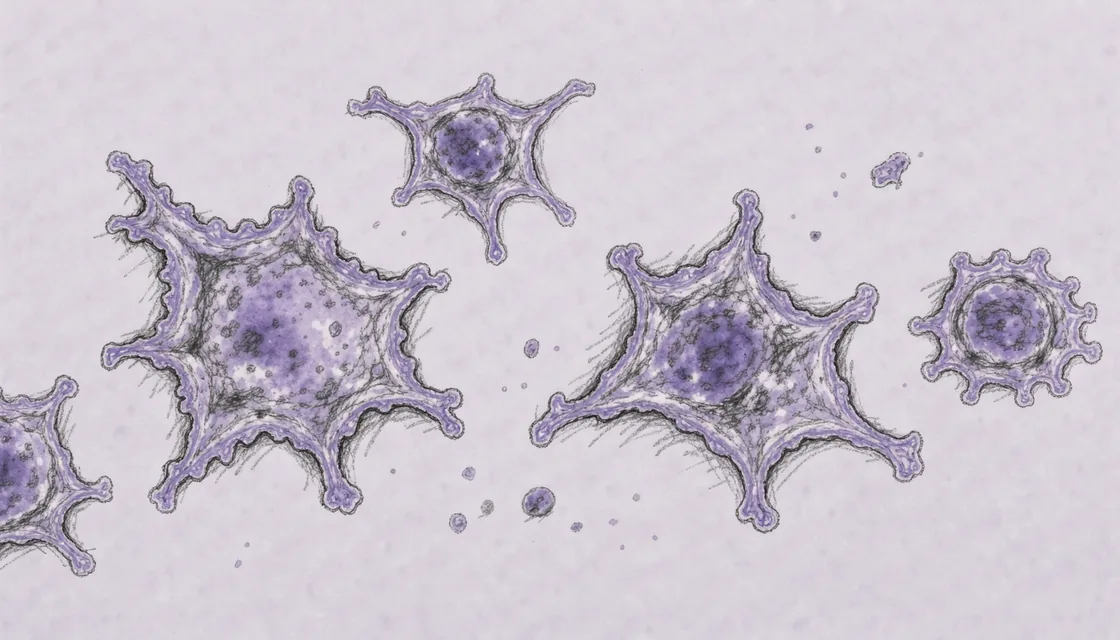
NAD+ depletion and NLRP3
A separate experiment in mouse bone-marrow-derived macrophages reduced NAD+ by inhibiting NAMPT, a salvage-pathway enzyme. Depletion provided a priming signal for NLRP3-dependent caspase-1 activation, part of an inflammatory response. Restoring NAD+ with NMN reversed the effect.
I’m reluctant to describe the shortage as beneficial simply because activated cells need a supply. Here the shortage itself helped prepare inflammatory machinery for activation. These experiments make different interventions in different cellular conditions, so their findings can coexist. A neat slogan would erase the conditions that make each result intelligible.
Human inflammation
The tempting question is whether replenishment would quiet inflammation, sustain it, or do different things in different tissues. These cell experiments cannot settle that human question. The review of human precursor trials reports limited efficacy and sparse information about tissue-specific NAD+ dynamics.
Those opposing demands make the question worth pursuing. A resource can support a useful response and still require a careful account of when, where and how much work is under way. The muscle trials give the discussion a different footing: people with specified characteristics, measured outcomes and a comparison group.